
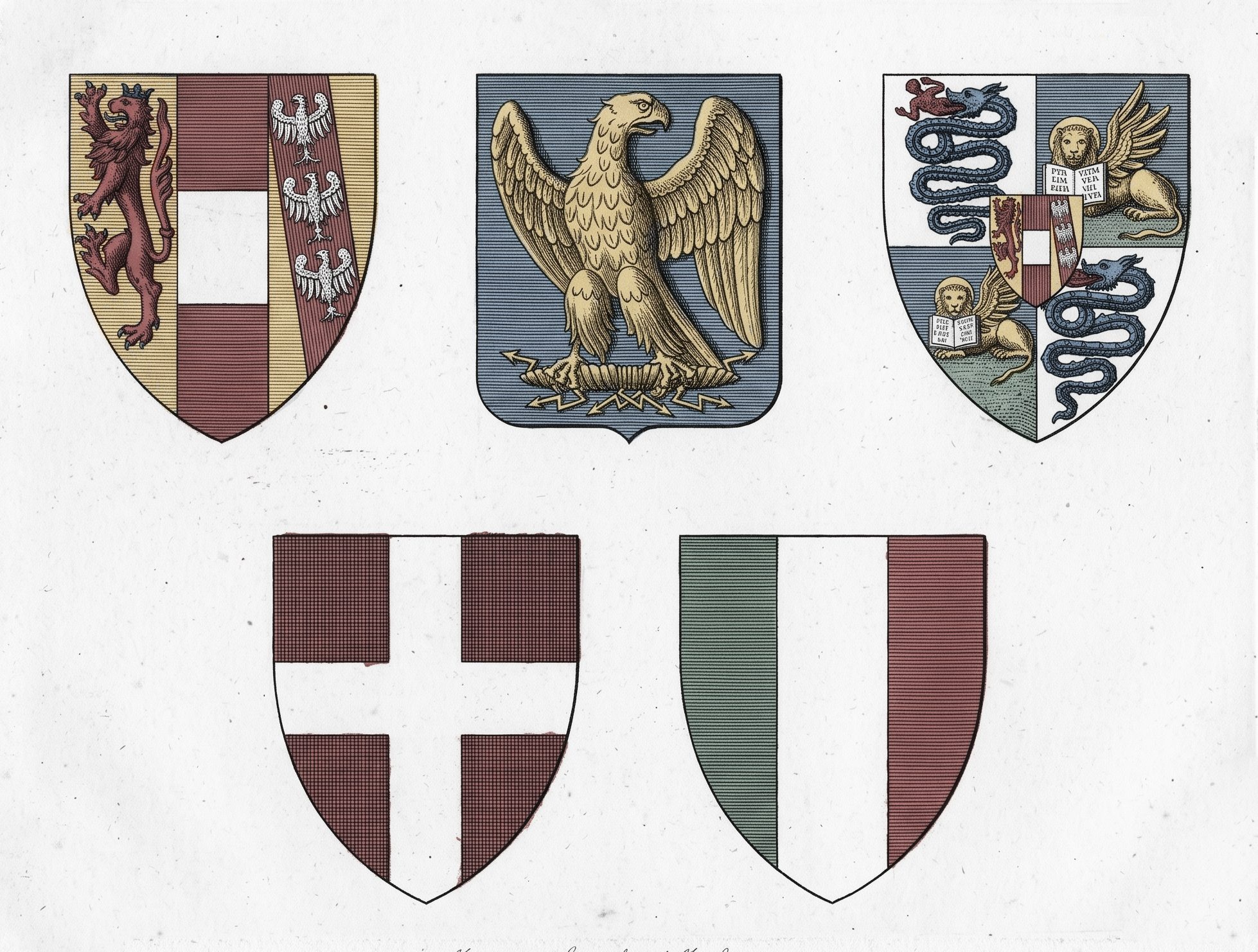
When a house survives for a hundred and seventy-seven years, it outlives governments too. Casa Migone lived through eight of them: two Austrian, four Napoleonic (the Transpadane Republic, the Cisalpine Republic, the Italian Republic, the Kingdom of Italy), one Savoyard that dissolved into war, and finally the Republic. Each left its mark on the city and the market. None stopped the house.
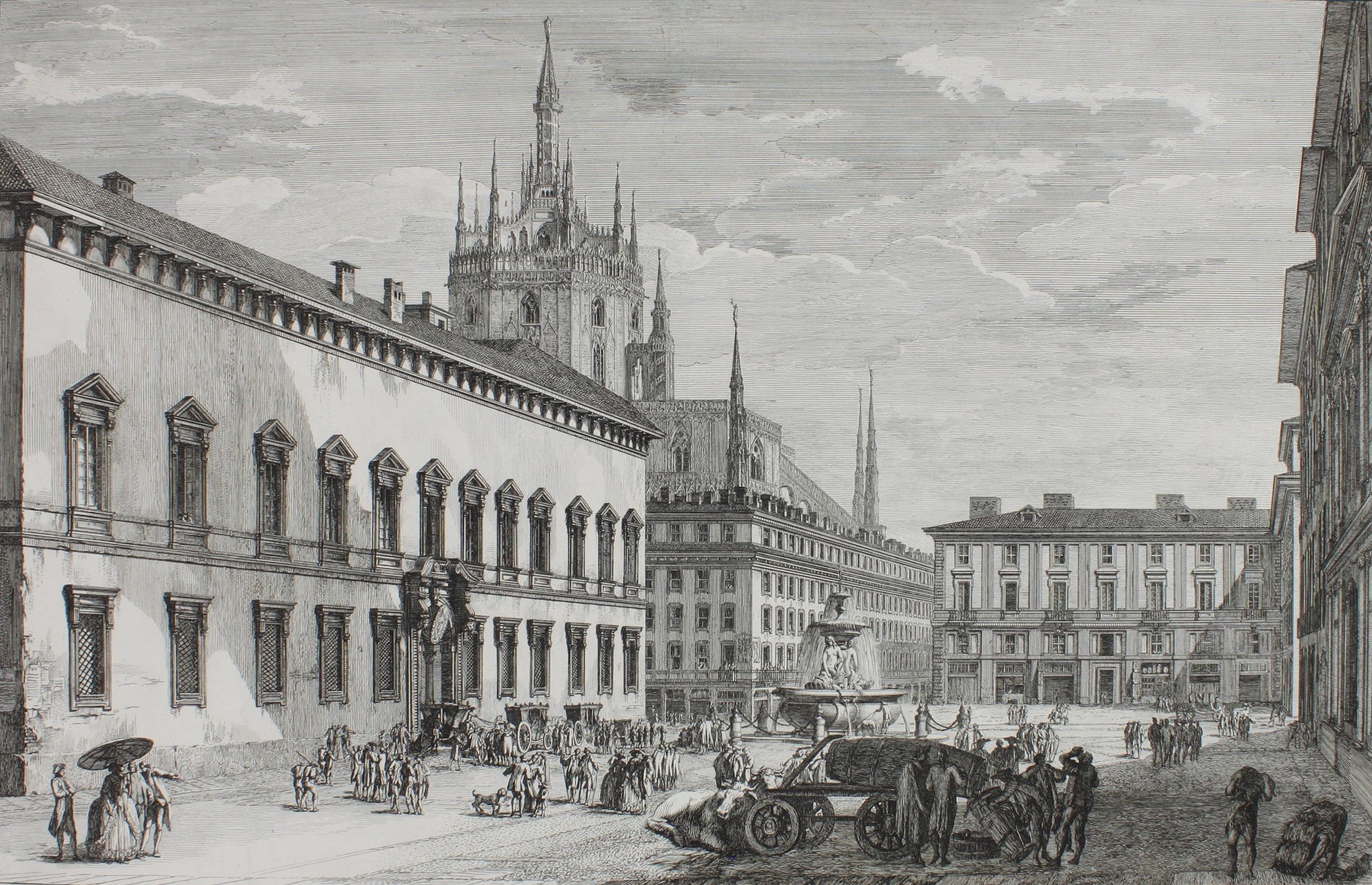
Angelo Migone arrives in a Milan that has been under Habsburg rule for two centuries. It is 1778. He establishes his first premises along the old Spanish walls, on the city's periphery, where he opens a small perfumery. He learned his craft there, trained by the best Provençal gantiers-parfumeurs: fresh flowers imported from Genoa, rose water, orange-blossom water, soap. He soon moves to the commercial heart of the city: the Contrada de' Pennacchiari, a few steps from the Duomo. Milan is still the Duchy of Milan, under Habsburg rule. It is not an ordinary moment: it is the height of the reformism of Maria Theresa and then Joseph II, who had turned Milan into one of the intellectual capitals of Europe. Austrian Lombardy was an administrative laboratory: fiscal reforms, abolition of ancient guild privileges, investment in education. In this climate of cautious commercial opening, a new perfumery finds its place.
The Contrada de' Pennacchiari still carries in its name the presence of the ancient guild of plume-makers. Nearby are the goldsmiths, the swordsmiths, the spurriers. Angelo Migone enters a medieval urban fabric at the commercial heart of the city. It is the most intellectually open city in the Italian peninsula. For a trained parfumeur arriving from Grasse, it is exactly the right place.
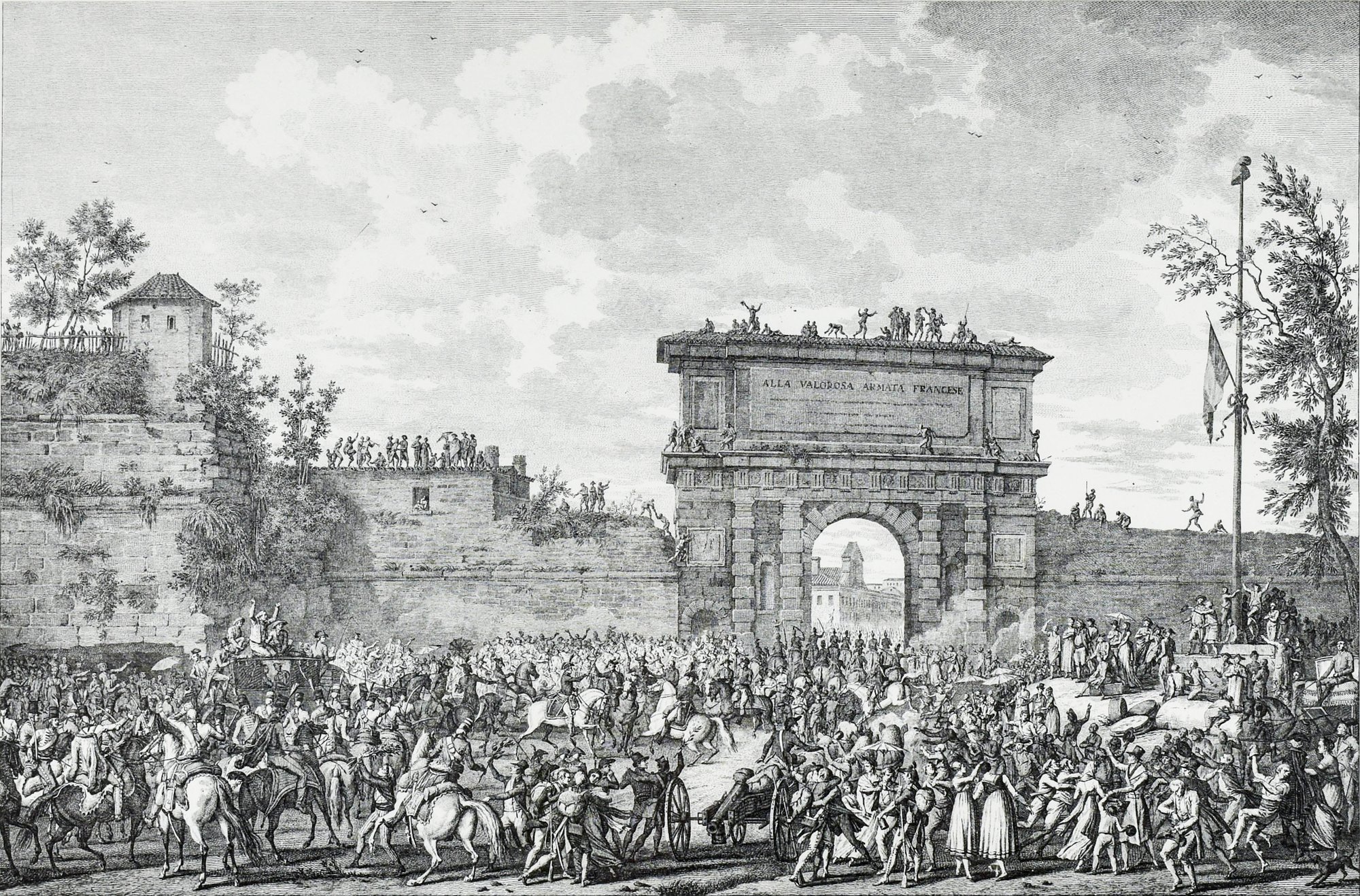
On 15 May 1796 the French army, commanded by General Napoleon Bonaparte, enters Milan. The city becomes the capital of the Transpadane Republic (1796–1797), then the Cisalpine Republic (1797–1802), then the Italian Republic (1802–1805). On 26 May 1805, in Milan Cathedral, Napoleon places the Iron Crown on his own head with his own hands and proclaims himself King of Italy. The ceremony lasts three hours, amid ringing bells, artillery salutes and a packed Piazza del Duomo. Viceroy of the new kingdom is his stepson Eugène de Beauharnais, resident in Milan.
For a perfumery, French rule is not only political: it is cultural. Paris is the world capital of perfume, and the French model of refined toiletry arrives in Milan alongside the troops. The culture of perfume that Angelo Migone had learned in Grasse is suddenly at the centre of city fashion. Angelo himself, born around the 1740s, is by now elderly: it is his brother Nicola who keeps the shop on the Contrada de' Pennacchiari going. In 1814, with Napoleon's fall, it all ends quickly. Lombardy returns to the Austrians.
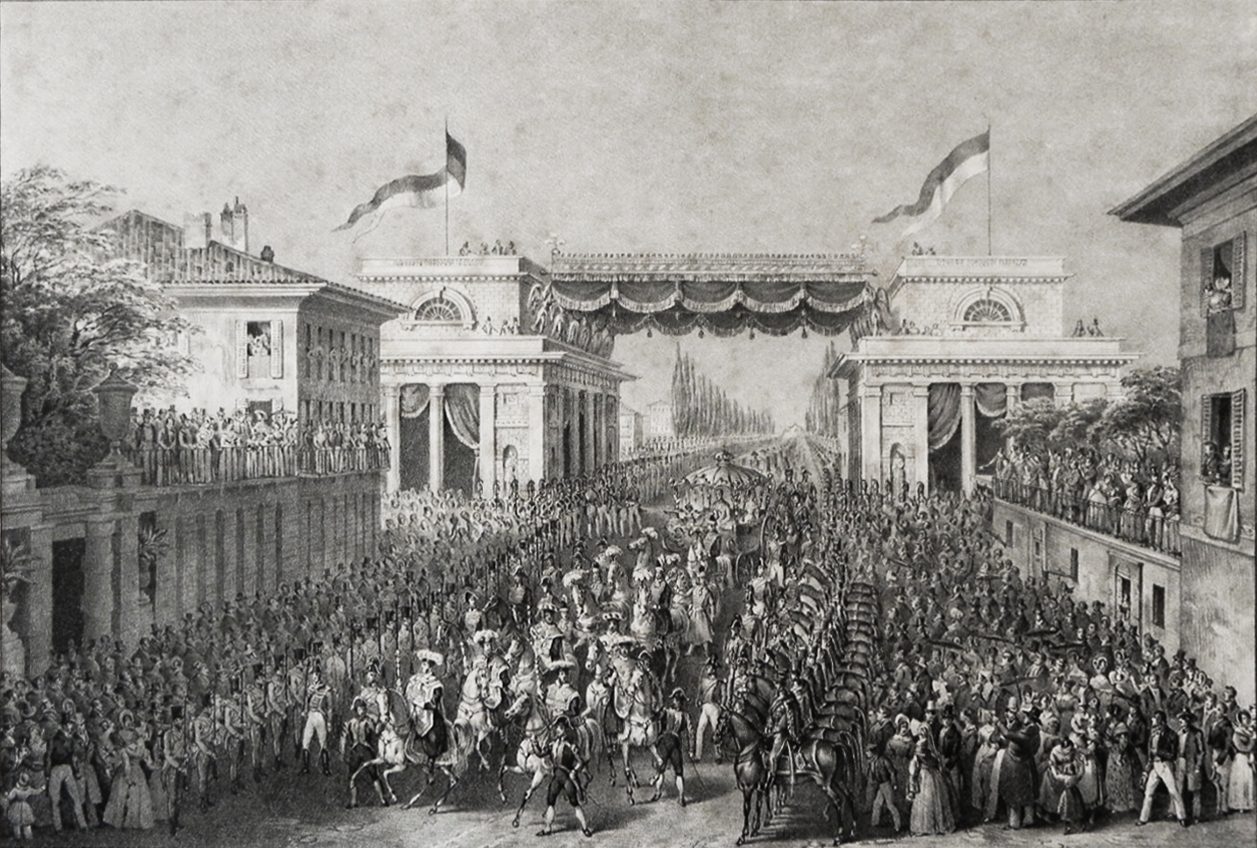
In April 1814, before the Congress of Vienna has even convened, Austrian troops re-enter Milan. The Congress will formalise it the following year, in 1815: the Kingdom of Lombardy-Venetia is born. It is a conservative regime, more concerned with order than with development, but Milanese commercial life does not stop. It is during this long period that Casa Migone takes on its characteristic form. Around 1800, as Angelo ages, his brother Nicola takes over the shop at Contrada de' Pennacchiari 3233. In 1827, in a pragmatic gesture, he adds the sale of national cheeses from Corsico to the shop's offer. By 1836 the cheeses have gone and the house returns to perfumes alone. By 1846, Antonio's sons Nicola and Angelo appear together in the Guida di Milano at Contrada de' Pennacchiari 3232: a small shift across the street, the same neighbourhood, a new generation. In the same years, Antonio's sons Nicola and Angelo both marry into the Orcesi family, established perfumers in Milan. The house is not alone in this neighbourhood: the city at mid-century is full of specialists in scent, soap and cosmetics, working the same streets, intermarrying, competing.
In 1848, the Cinque Giornate di Milano: five days of street fighting, 18–22 March, with the Milanese driving Austrian troops from the city centre. The barricades pass a few hundred metres from the Contrada de' Pennacchiari. The Austrians return within months, but the Risorgimento is now unstoppable. In 1859, defeated at Magenta and Solferino, they leave Lombardy for good.
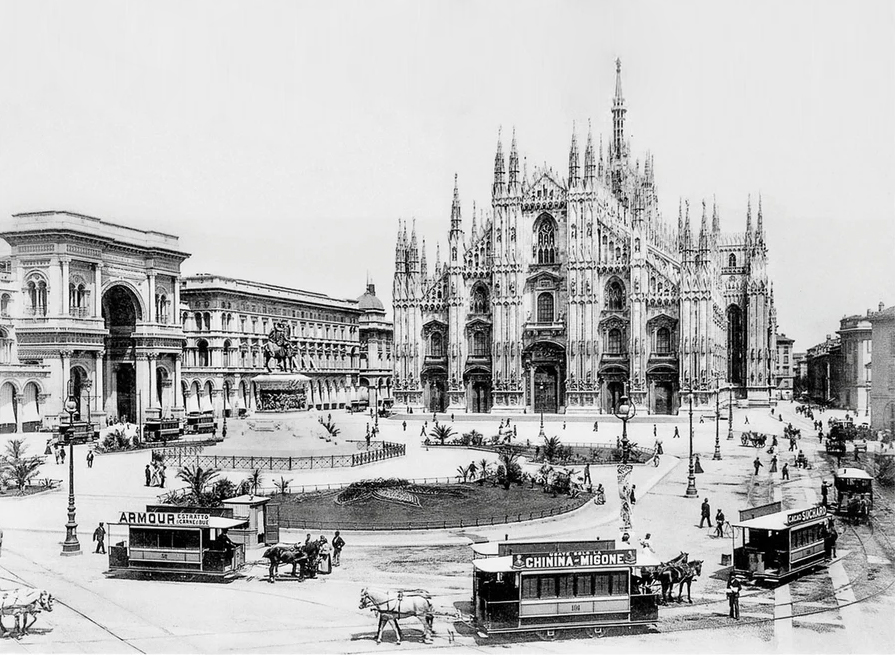
In 1859, after the battles of Magenta and Solferino, Lombardy passes to the Kingdom of Sardinia. On 17 March 1861 the Kingdom of Italy is born. For Milan, the end of Austrian rule means a physical reorganisation of the city: streets are renamed, widened, redrawn. The Contrada de' Pennacchiari becomes Via Torino. The civic number 12, assigned under the new system, is the one that will appear on catalogues, invoices, advertisements and photographs for the next sixty years.
The unified period is the era of Casa Migone's great industrial expansion. Antonio's sons equip the house with machinery for saponification and for the production of rice starch. A factory opens on Corso Loreto (later Corso Buenos Aires), eventually growing to more than a hundred workers and four thousand square metres of floor space, before moving to a larger site on Via Ripamonti. The house becomes a supplier to the Royal House of Savoy. It is in these years that the Margherita perfume appears. In 1870 "Angelo Migone and Company" is founded. The fin de siècle is the house's most visible era: by the 1890s, Migone's portfolio of brands is among the most advertised in Italy, its name woven into the visual fabric of daily life: on trams, in magazines and newspapers, on calendarietti, on walls. For a house of its age, it was a remarkably modern approach to building a brand.
The First World War transforms industrial Italy, and Milan with it. In these years the shop moves from Via Torino to Via Orefici, a few streets from the Duomo. Fascism (1922–1943) imposes its aesthetic on every aspect of public life, but Migone's products and advertising continue to circulate (perfumes, soaps, face powder, cosmetics) in a market that outlasts regimes because it responds to needs regimes do not cancel. In 1943, with the German occupation of northern Italy, Milan is bombed. The shop on Via Orefici and the factory on Via Ripamonti survive.
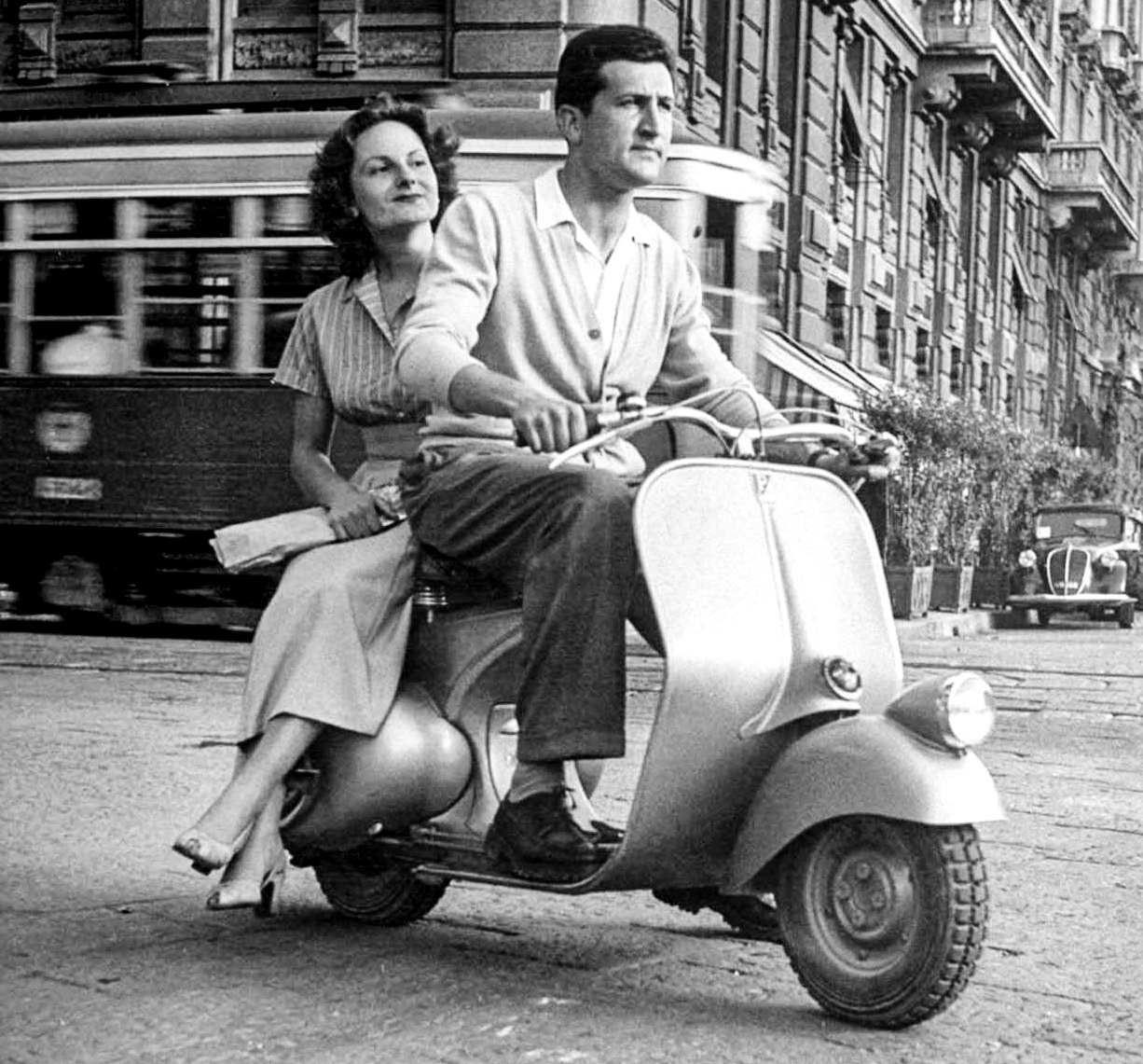
On 2 June 1946 Italians vote for the Republic. The Savoyard monarchy is abolished. The Italy rebuilding itself after the war is something new: Vespas on the streets, cinema in every quarter, the first stirrings of the miracolo economico. It is a country moving fast and forward. In 1955, a hundred and seventy-seven years after Angelo first opened his shop, Casa Migone closes. Eight governments, one house: from the Habsburg eighteenth century to the Republic, the same name had outlasted Napoleon, the Cinque Giornate, unification, two world wars. Few commercial houses last a century. This one lasted nearly two, and what it built became part of the culture it helped shape: the brands, the formulas, the visual language of Italian grooming.
← Back to the Journal